

Perfume Ingredients Rooted in India: The Ancient Tradition That Inspires Ataratma
India has one of the oldest perfume traditions in the world. Long before contemporary perfumery, Indian perfumers were working with flowers, resins, roots, woods and spices to create scents that were not simply beautiful, but purposeful. Rooted in Ayurveda, these ingredients were used for their effect on the mind, body and spirit: heating, cooling, grounding, uplifting, each one connected to an emotional state or dosha.
For example Attar / Ittar is the ancient Indian art of natural perfume distilled into sandalwood oil. A whole world of its own and increasingly searched by niche fragrance lovers and half of the inspiration behind our name. The other part being ATMA, Sanskrit for our unique souls.
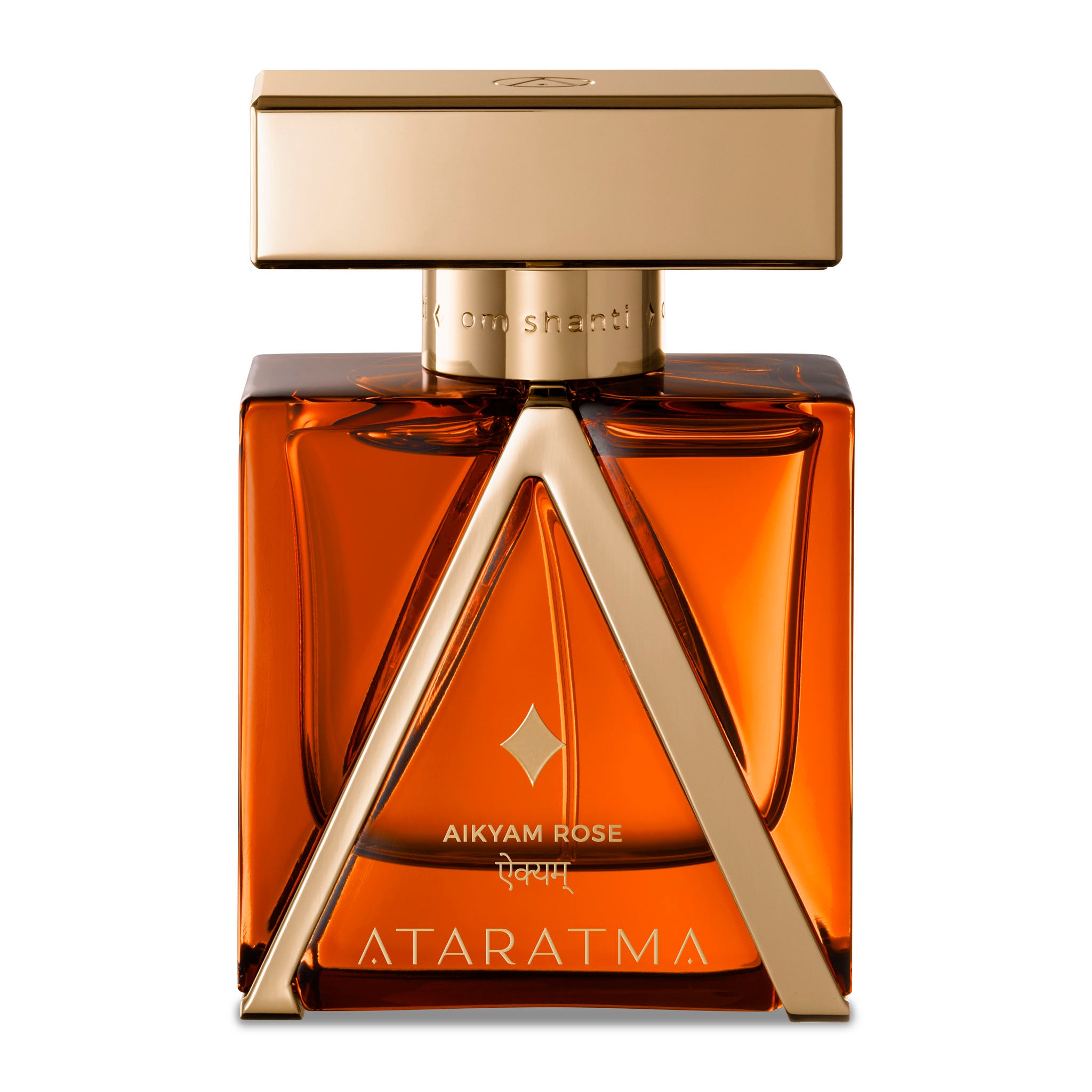
This is the tradition that inspires Ataratma. Not simply aesthetic perfumery, but functional scent design: fragrance as a form of connection, ritual and wellbeing.
These traditional ingredients are at the heart of our perfumes alongside olfactory notes typical to the Indian subcontinent: those traditionally associated with perfume like vetiver, patchouli, jasmine and ylang ylang as well as more contemporary and playful ingredients such as coconut and mango. This blog shines a light on the nature and history of these unique ingredients.
| Where ancient science led, leading neuroscience progresses. Ingredients tested by MRIs for their transformational effects on emotional and cognitive responses through a 40 year Science of Wellness program have been integrated into our perfumes. Find out more> |
The Sacred and the Iconic
Champaka is a flower unlike anything in Western perfumery. Heady, exotic and deeply spiritual, it has been used in Indian temples and devotional offerings for centuries. Its floral character is rich and almost electric, a bloom that feels alive. It is the heart of our Chakra Champaka fragrance.
Sandalwood, and specifically Mysore sandalwood, is considered the finest in the world. Creamy, warm and meditative, it has been central to Indian perfumery, ritual and Ayurvedic practice for thousands of years. It forms the base of the ancient art of attar making, where natural essences are distilled directly into sandalwood oil, creating perfumes of extraordinary depth and subtlety. Sandalwood is the quiet foundation beneath many of our fragrances.
Jasmine, and in particular Sambac jasmine, known in India as Mogra, is the most intoxicating variety of this already heady flower. Used in garlands, temples and traditional attars, its scent is both joyful and deeply sensory. A staple of Indian celebration and devotion.
Vetiver, known in India as khus, is grown in the red earth of Rajasthan and has a quality entirely its own: earthy, cooling, faintly smoky. It has been used for centuries not just in perfumery but in traditional Indian cooling practices, woven into screens through which water would slowly evaporate. A grounding, ancient ingredient.
Deeply Rooted in Tradition
India's classical perfume tradition drew from five core categories: woods such as sandalwood and agarwood, roots including vetiver and costus, resins like frankincense and guggul, flowers including jasmine, champaka and lotus, and richer materials like musk, ambergris and even ghee, butter and honey. What makes this tradition so distinctive is its embrace of heavy, non-volatile materials: resins, fats and earthy roots that anchor a fragrance and allow it to evolve slowly and deeply on the skin.
Tuberose grows abundantly across India and has long been woven into garlands and celebrations. Its character is intensely creamy and narcotic, a flower that insists on being noticed.
Patchouli has deep roots in Indian and Southeast Asian tradition, earthy and rich, with a complexity that reveals itself slowly. In its cleaner, more contemporary expressions it is sensual and surprisingly fresh, as in our Rati Patchouli fragrance.
Olibanum, more widely known as frankincense, has been traded along ancient Indian spice routes for millennia. In perfumery it brings a resinous, slightly smoky warmth with a meditative, sacred quality.
Cardamom is familiar from Indian cooking, but in perfumery it offers something equally compelling: a spiced, aromatic clarity that lifts and energises the perfume and the person..
Nagchampa, the incense note of Indian temples, combines champaka and sandalwood into something immediately recognisable and deeply evocative. To smell it is to feel transported.
Ylang ylang, with its richly floral, slightly narcotic character, has long been used across South and Southeast Asia. In perfumery it adds a creamy, exotic depth that is both sensual and complex.
Spice, Warmth and the Senses
Saffron, harvested by hand from the crocus fields of Kashmir, is one of the most precious ingredients on earth. Warm, honeyed and luminous, it brings a depth of luxury that few other materials can match.
Ginger, and Indian ginger in particular, brings a raw, earthy warmth to fragrance that is quite different from the sharper ginger of other origins. Grounding and invigorating at once.
Pink pepper adds brightness and a lively, almost playful spice. It is one of those ingredients that makes a fragrance feel alive from the very first moment.
Ginseng and ashwagandha bring the world of Ayurvedic botanicals into contemporary perfumery. Both are associated with energy, balance and vitality, ingredients that connect fragrance to the deeper tradition of Indian wellness.
Fleshy and addictive
India's extraordinary agricultural richness gives perfumery some of its most joyful and distinctive ingredients. Mango and peach bring an exotic, juicy, fleshy sweetness that lifts a composition with natural radiance. Coconut and coconut water add a tropical creaminess, fresh and enveloping at once. Davana, a plant native to India and used in Ayurvedic practice, is one of perfumery's most intriguing ingredients: warm, fruity and slightly herbal, with a quality that shifts and deepens on the skin in a way that is uniquely personal to each wearer.
Vanilla, though associated globally, has deep roots in Indian trade and Ayurvedic traditions. Warm, comforting and universally beloved, it’s an ingredient that makes a fragrance moreish, addictive and irresistible.
Ambrette absolute, derived from the seeds of the musk mallow plant, it’s a natural alternative to animal musk with a warm, slightly nutty, skin like quality. Soft and deeply sensual, it is one of the most intimate ingredients in our palette.
A Living Tradition
The Indian perfume tradition was never static. It evolved across centuries, absorbing influences from trade routes, royal courts and Ayurvedic scholarship. At Ataratma, we draw on all of this. Our fragrances are not recreations of the past but a living conversation between ancient Indian wisdom and the finest European perfumery craft. Every ingredient we choose carries a history, a purpose and a connection to something larger than the scent itself.
This is what we mean when we say: scents for the soul.


